Endoscopic disc surgery
Considering endoscopic and microsurgical techniques individually.
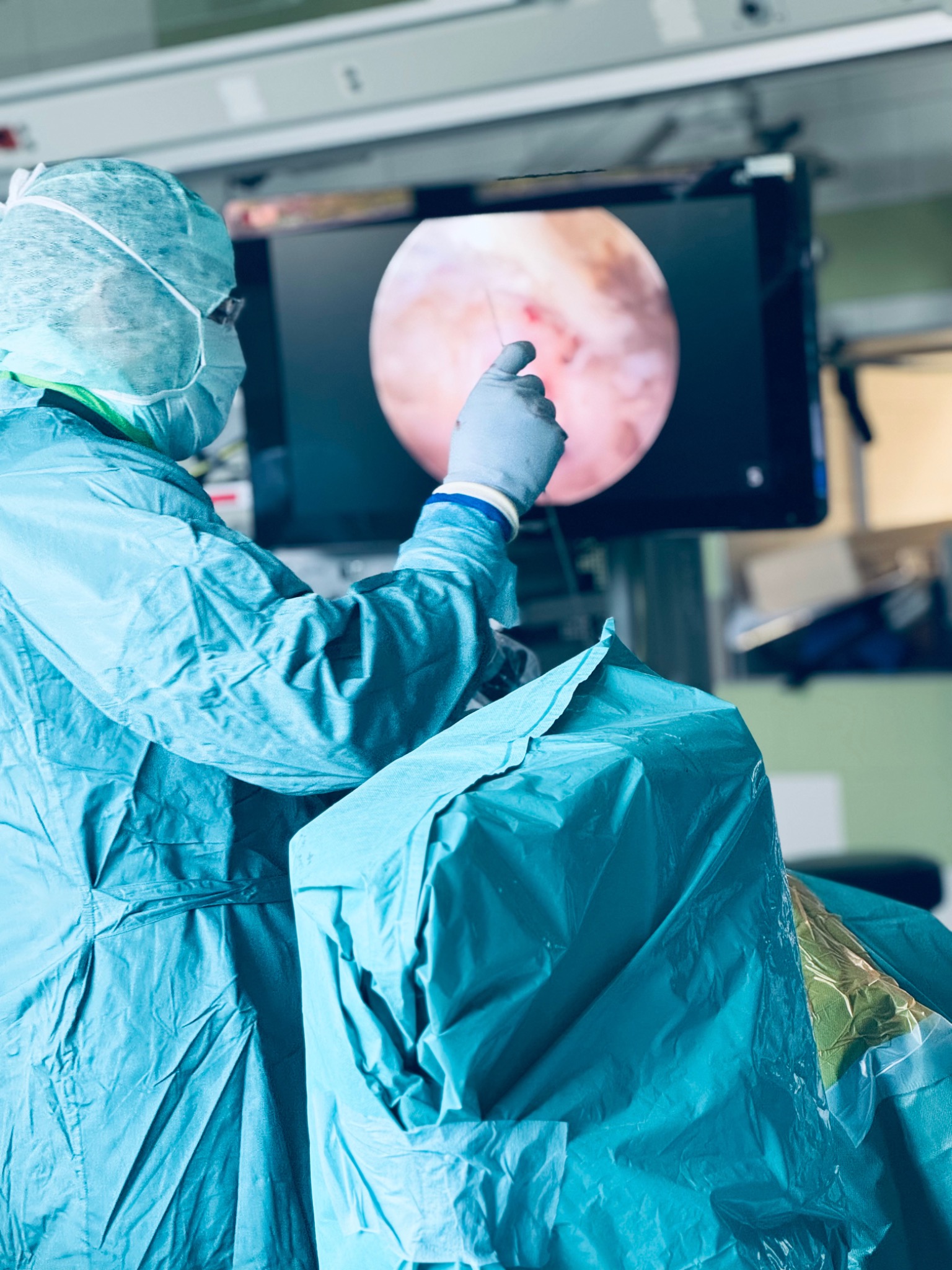
When is endoscopic surgery suitable?
Endoscopic spine surgery may be suitable for nerve pain caused by a herniated disc or selected cases of bony spinal canal narrowing. The aim is targeted relief of pressure on the affected nerve. I assess suitability using your symptoms, examination and scans.
How does keyhole surgery work?
Under general anaesthesia, the procedure uses a skin incision usually smaller than one centimetre. An endoscope with a high-resolution camera and fine instruments is introduced through a working sleeve about eight millimetres wide. Tissue pressing on the nerve is removed under direct monitor vision. Continuous irrigation keeps the operating field clear.
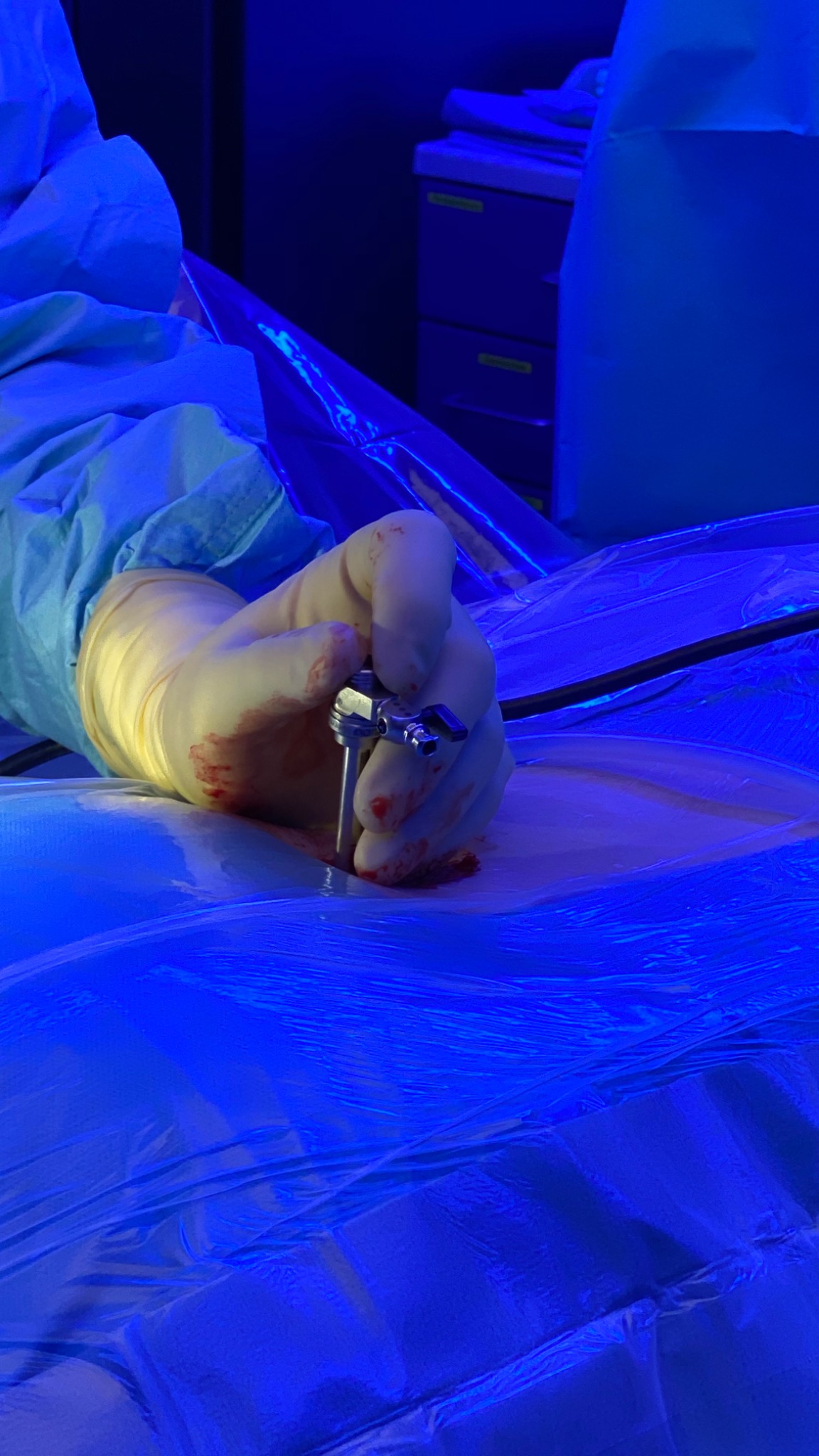
Potential benefits and recovery
The small approach may spare muscles and surrounding tissue and support a quicker recovery. A small skin scar is another potential benefit. Uncomplicated disc procedures often take around 30–45 minutes. Patients can usually get up on the day of surgery and often leave hospital after one to two days. These are guide figures; timing depends on the procedure and individual recovery. Complications including infection, nerve injury or recurrent disc herniation remain possible. We discuss the procedure, risks and aftercare personally.
We discuss your options together
During your consultation, we consider which treatment suits your findings and goals, including the procedure, potential risks and limitations, and the next steps.